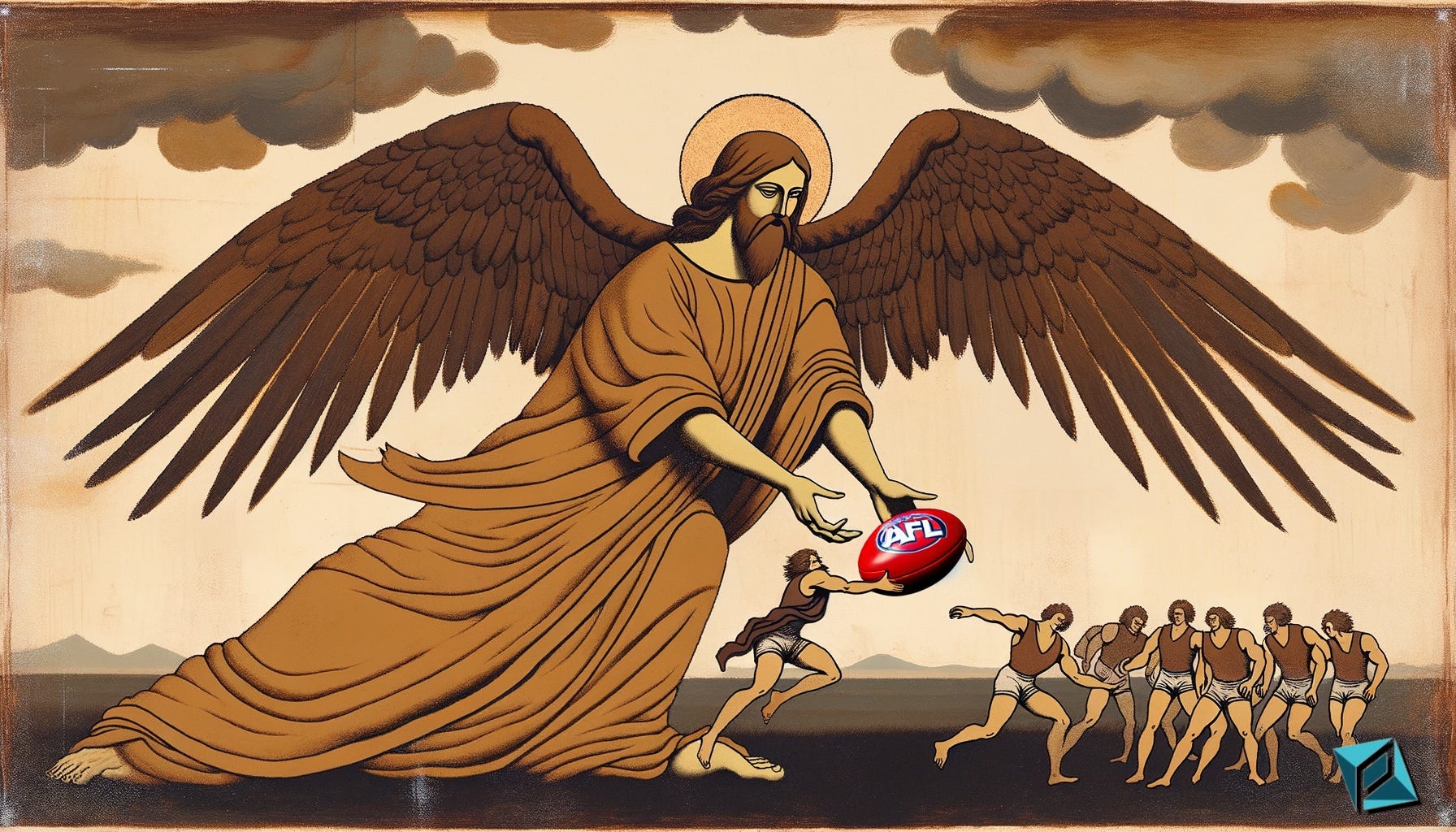
100 Maybloom Dreams
How the mighty Hawthorn AFL football team became a compass in my life

For many expats like myself, the question "Where is home?" becomes increasingly difficult to answer with each passing year. After almost ten years in Hong Kong, I am still a guest when it comes to much of local slang, culture, politics, etc. For me, the answer is simple: Home is where my family are. My spiritual home is where my footy team - the Hawks - were founded. The Hawks gave me something permanent in a world of constant change. This week marks a centenary of greatness.
From Maybloom to Mighty Hawks
Born in the eastern Melbourne suburb of Hawthorn, the club began as the "Mayblooms" – a quaint, almost delicate name of the hawthorn flower that belied the fierce competitors they would become. When they joined the VFL in 1925, none could have predicted the powerhouse they would evolve into. Their first premiership didn't come until 1961, under the legendary coach John Kennedy Sr., whose famous exhortation to "Don't think, DO!" became part of football folklore.

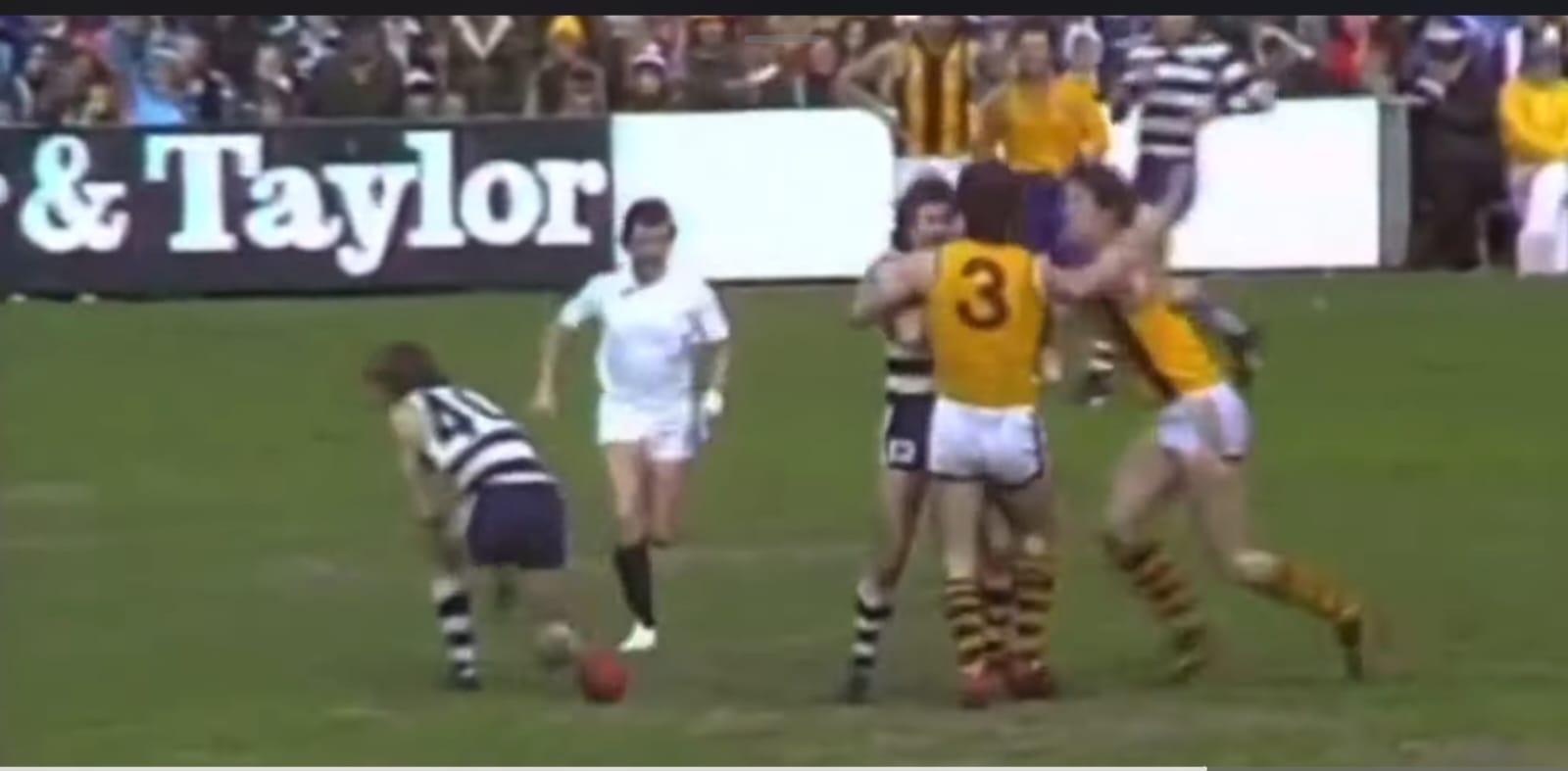
‘Lethal’ Leigh Matthews was my favourite. He embodied the Hawks' spirit – skilled, tough, uncompromising. His mentorship of players like Brereton and Dipper helped create the Hawthorn DNA that valued skill and hardness in equal measure. Years later, I wore his number 3 geurnsey at the Gabba when he was coach of the rampaging Brisbane Lions. They smashed us game after game. Sitting in a sea of maroon, sweating in that shirt, a beanie, scarf and getting walloped by more than 50 points on a regular basis did make me question my sanity. Flags in 2008 and then a three-peat in 2013, 14 and 15 was salvation.
Glory
My earliest footy moments were in the late 70s where the club had only 3 pennants for 50 years effort. By the early 80s with two more premierships under their belt they went on a spree with flags in 1983, 1986, 1988, a brutal 1989 classic and 91. Cruelly, I was in Johannesburg for 83 and then Sydney for the others .. a city where games werehardly ever televised.
But the greatest was the 1989 Grand Final against Geelong – Dipper's courage, Dermott Brereton playing through broken ribs after that infamous Yeates hit in the opening seconds, and Ablett's nine goals in a losing side (sorry mum).

Then there was the infamous "Line in the Sand" match against Essendon in 2004 – a brutal affair where years of simmering tensions erupted into all-out warfare. It wasn't just a brawl – it was a statement of identity. We were terrible that year; and so led by Campbell Brown, Lance Picioane and Richie Vandenberg, the Hawks declared they would no longer be pushed around. Though the fines were heavy and the criticism fierce, something changed that day. The club rediscovered the hardness that had been its trademark in the glory years under Dipper and Dermie. Weirdly I met Lance’s parents about a decade later - on a cruise of the Han River in Seoul.
And then came the most recent golden era – the remarkable three-peat from 2013-2015 under Alastair Clarkson. I remember watching the 2014 Grand Final from a sports bar in Singapore, the lone Hawks supporter amidst a sea of Sydney fans and confused onlookers, as Buddy Franklin, now in enemy colors, was comprehensively outshone by his former teammates. The tactical masterclass delivered by Luke Hodge, the captain who seemed to embody everything the club stood for, left even neutral observers in awe.

Evolution of the Game
The game has changed dramatically. Today's AFL is sleeker, faster, more athletic – and considerably less violent. Part of me misses the raw physicality of those earlier eras, when men dominated through a combination of skill and intimidation. There was something gloriously primal about the contests of that era that made the victories feel somehow more earned.
Yet I must admit that for all of the gambling advertising, questionable umpire decisions and some average commentators the modern game is ultimately better. Regardless of the teams, there arent many other sports where up to 100,000 spectators can comingle walking in and out of the ground. From tradies to teachers, kids with mum and dad, the boys in for a game or the loyalty party faithful who wave flags and banners unlike any other.
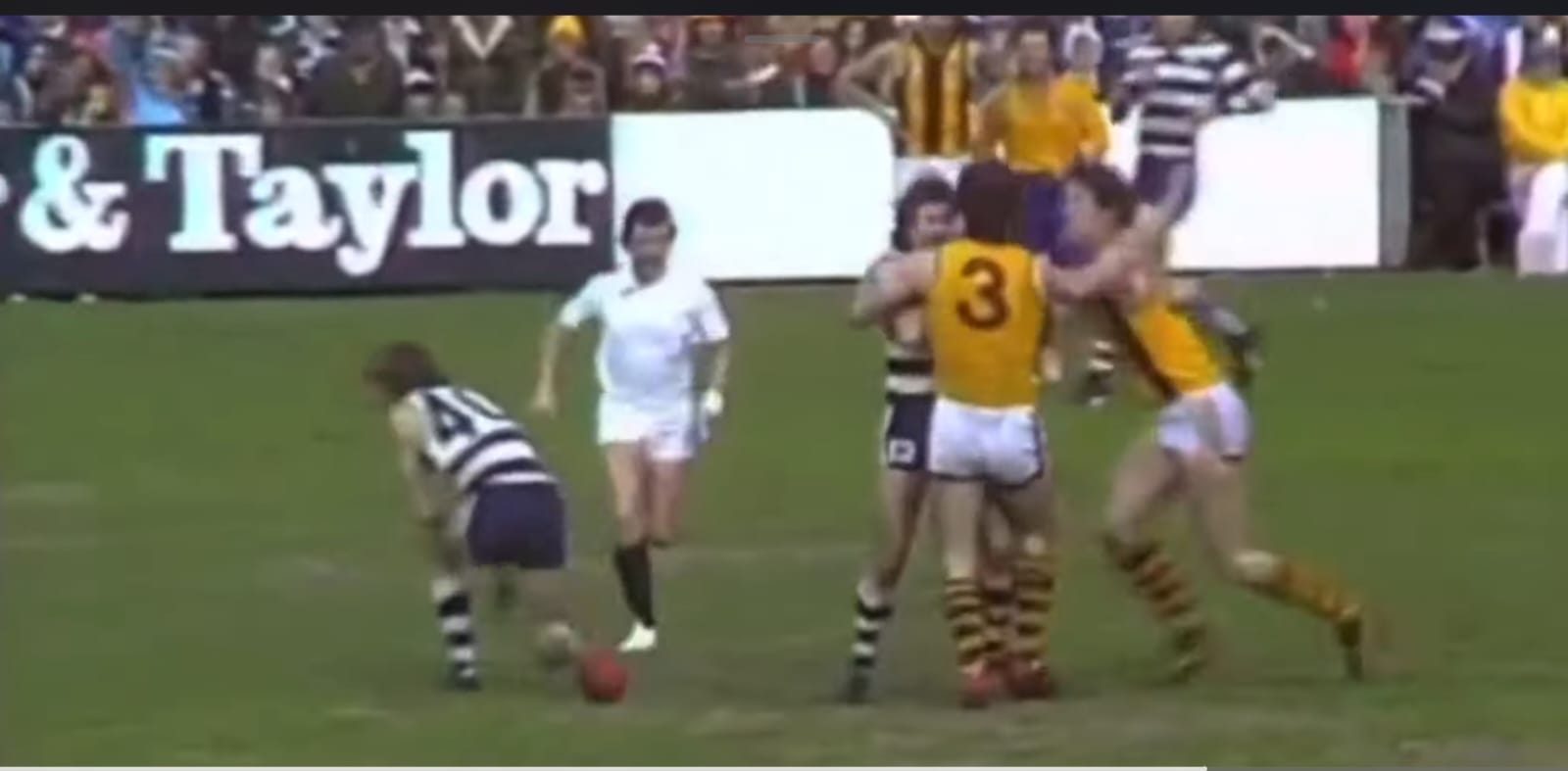
The athleticism and skill on display each week is extraordinary – players covering up to 18 km in a single game, executing skills that would have seemed impossible in previous generations. And while I occasionally catch myself lamenting that "they don't make 'em like they used to," I recognize that nostalgia is a powerful distorting lens. And I wince watching the hits and punches that riddled the game on appalling grounds until quite recently.
As Hawthorn celebrates its centenary in the league, I find myself wondering why this magnificent game remains largely contained to the Antipodes. Whatever the reason, as I watched the Hawks' centenary match on a streaming service to my tablet in an airport lounge, I remain grateful for the constant they've provided in my peripatetic life. For a hundred years, Hawthorn has been making its mark on what I consider the greatest game - Australian football. They are the mighty fighting Hawks.