
Own Goal
FIFA’s Trump peace prize exposes institutional decay in sporting governance. Could a 2026 World Cup boycott result in it being superseded?
Key points:
FIFA’s peace prize to Donald Trump represents further institutional decay.
Beyond individual protest, could the 2026 US-hosted World Cup face boycotts from major footballing nations?
In turn, this could be the death knell for FIFA, resulting in its displacement as football’s governing body.
The architecture for FIFA replacement already exists through infrastructure ownership, cricket’s disruption template, and esports’ decentralised governance models.
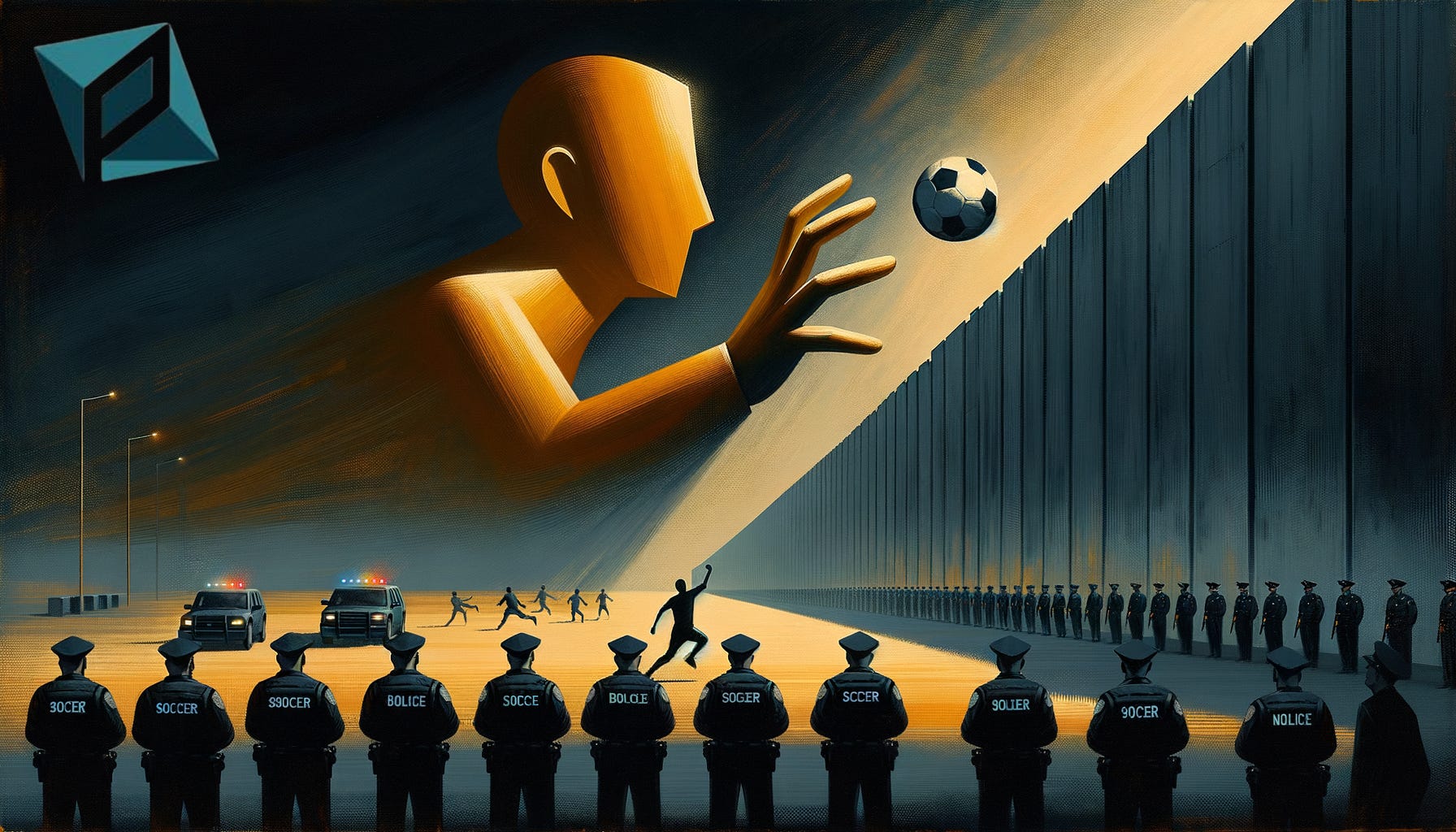
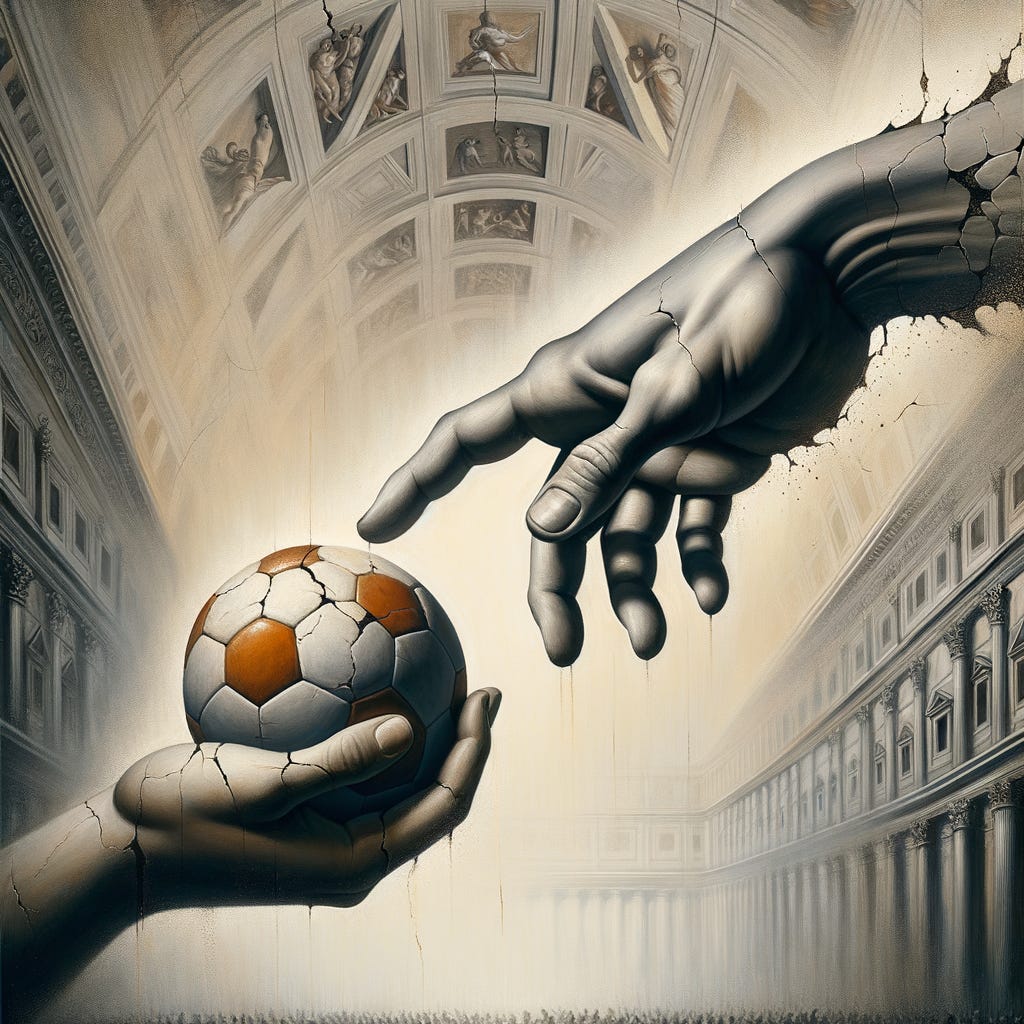
Diego Maradona’s “Hand of God” goal in 1986 was football’s perfect own goal: brazen rule-breaking that somehow enhanced the game’s mystique. FIFA’s inaugural peace prize to Donald Trump on 5 December 2025 represents similar institutional self-sabotage, just without mystique.
When President Gianni Infantino presented Trump with FIFA’s newly minted peace prize at the Kennedy Centre, he triggered something both consequential and scandalous. With Greenland now clearly in Trump's sights and NATO facing a possible collapse, could the real risk be that world soccer falls apart?
As a wild prediction, I wouldn’t be surprised. National and individual boycotts seemed impossible a year ago, but rumblings have started. It opens the body for what seemed impossible even five years ago: a replacement for FIFA itself.
The power of sport
Sport has the power to change the world," Nelson Mandela observed, speaking to its capacity to inspire and unite. He understood this from experience. But authoritarian regimes across time have recognised sport's power for precisely the opposite purpose.
In ancient Rome, gladiatorial games and public spectacles were central tools of social control, not merely entertainment. Writers such as Juvenal coined the famous phrase “bread and circuses” to capture how the Roman populace gradually surrendered its political voice in exchange for free grain and lavish shows. Emperors, though they did not directly admit to this tactic, understood the power of spectacle. By sponsoring games in the Colosseum and chariot races in the Circus Maximus, they projected generosity, strength, and divine favour, while channelling popular energy away from discontent and toward ritualised violence and pageantry. Crowds focused on victories, exotic beasts, and the fate of gladiators instead of corruption, mismanagement, or imperial overreach. Moral critics like Tacitus and Seneca saw these spectacles as symptoms of decay: a people distracted by blood sport and handouts, and rulers who preferred adulation in the arena to accountability in the forum. The arena thus became a stage where political anxiety was converted into controlled excitement, and structural problems were temporarily masked by noise, blood, and applause, an early and enduring example of power maintained through distraction rather than meaningful reform.
Franco's Spain, Mussolini's Italy, the Soviet Union's Olympic dominance, and Putin's 2014 Sochi Games—each deployed international sporting events not for unity but for regime legitimation and propaganda value. The pattern raises questions when sporting bodies that claim political neutrality confer prestigious awards on leaders of democratic nations who are actively courting authoritarian governance.
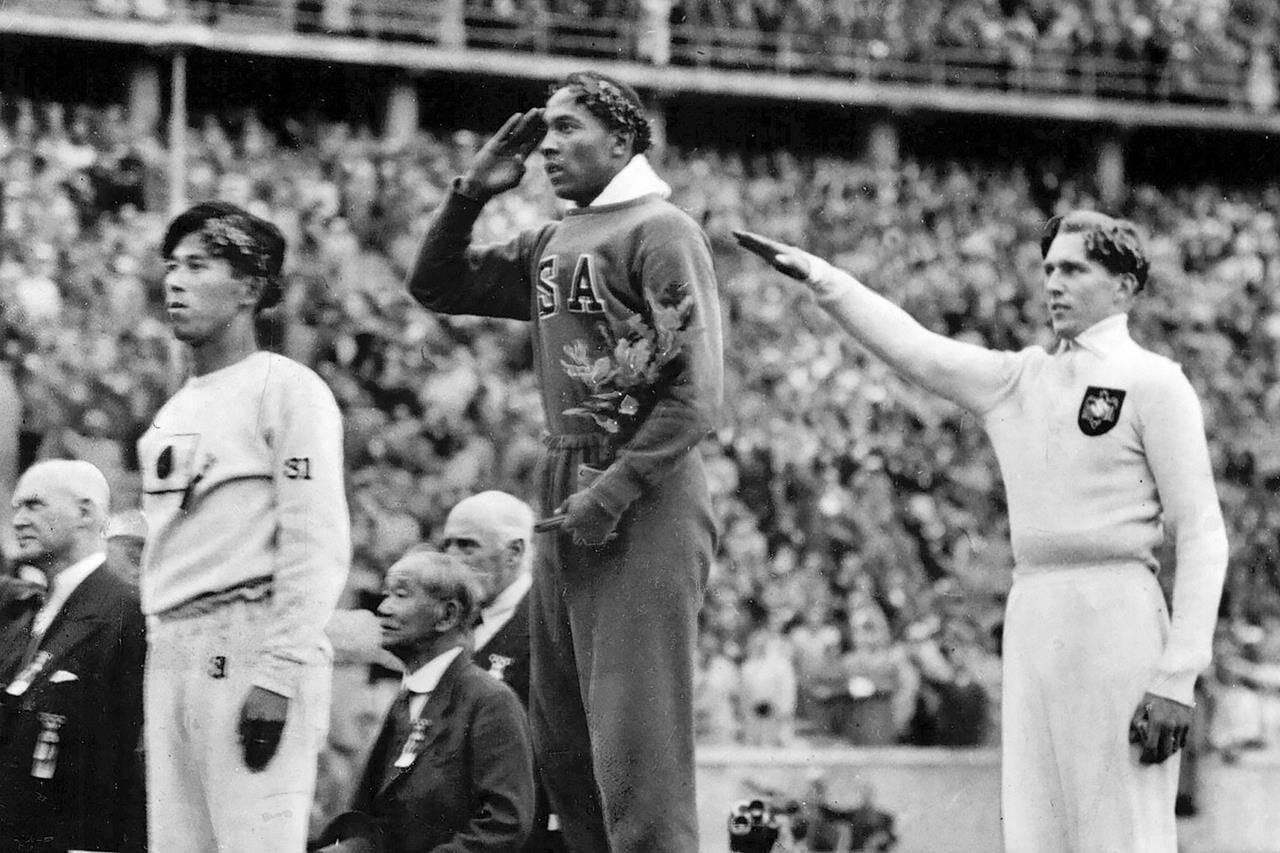
Hitler’s 1936 Berlin Olympics remain the paradigmatic case: a propaganda spectacle so effective that it reshaped international perceptions even as the regime escalated its persecution of Jews and expanded militarisation. The New York Times’ political reporter Frederick Birchall declared the games put Germans “back in the fold of nations” and “made them more human again”—exactly the outcome Hitler sought. Domestically, historians note the event significantly boosted public confidence in the regime, consolidating Hitler’s power at home whilst projecting legitimacy abroad.
Precedents
In many ways, I envisage corporate and national boycotts similar to what the Olympics failed to do in ‘36 but did do in the 80s and 90s. The Olympic movement was supposed to transcend politics. Its Charter states that one of the movement’s goals is:
“to protect its independence, to maintain and promote its political neutrality and to preserve the autonomy of sport.”
History demonstrates the fragility of that claim.
In 1980, the United States led a boycott of the Summer Olympic Games in Moscow to protest the late 1979 Soviet invasion of Afghanistan. In total, 65 nations refused to participate in what the Soviet Union had envisioned as a propaganda triumph. The boycott of the 1984 Summer Olympics in Los Angeles followed four years later, involving nineteen countries: fifteen from the Eastern Bloc led by the Soviet Union, and four non-aligned countries. Iran boycotted both Olympics, making it one of only three countries to do so.
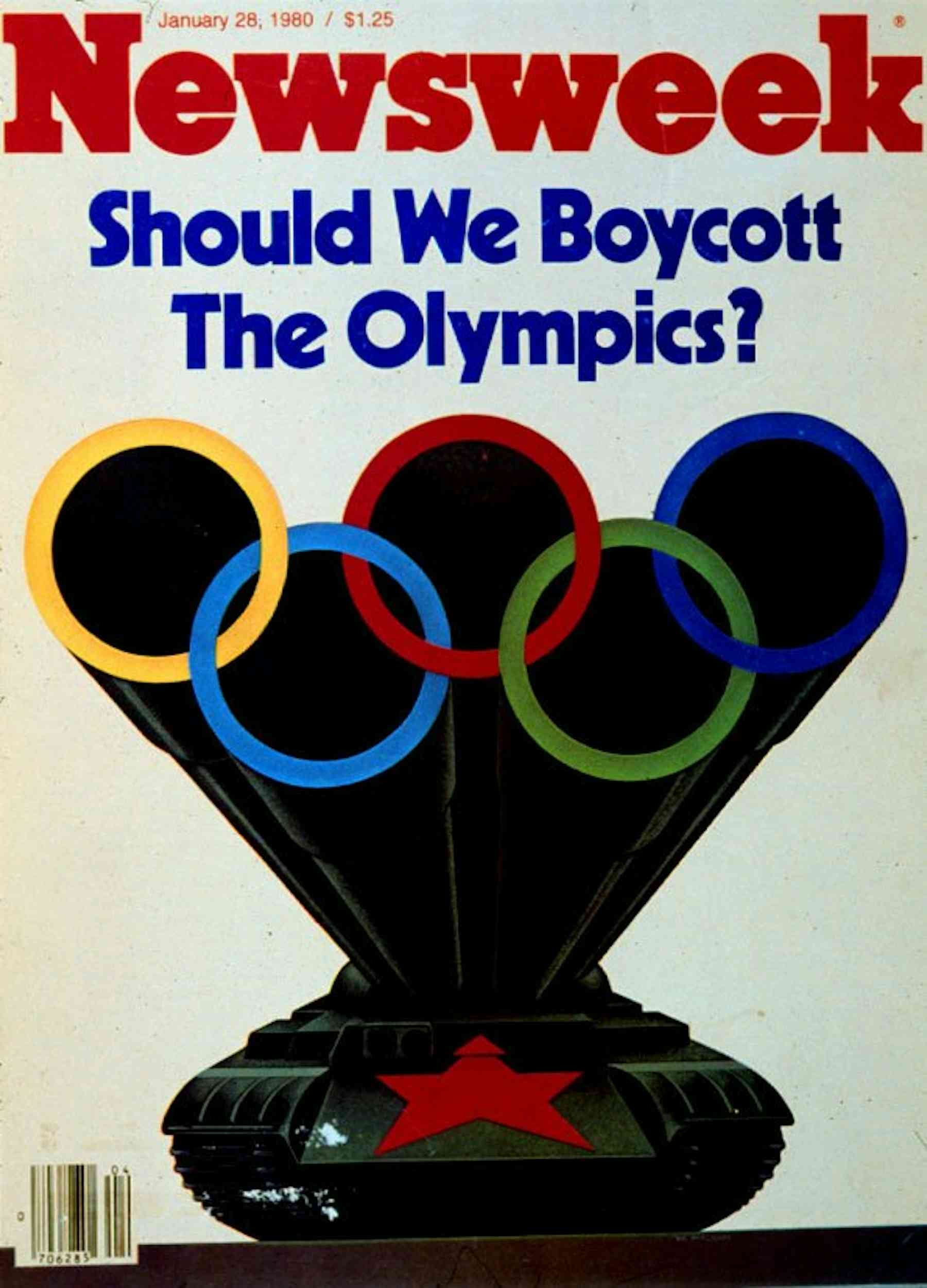
While Russia and Yugoslavia were banned in 2022 and 1992, there hasn’t been a boycott comparable to those of Moscow in 1980 or Los Angeles in 1984. Spain boycotting because of Israel is one thing, but what is so remarkable is that I am countenancing NATO partners and other allies being the ones to boycott.
When Nations Stop Coming
The 2026 World Cup across the United States, Canada, and Mexico presents unprecedented legitimacy challenges for an institution already struggling with credibility as the “world” governing body of football. Jürgen Hardt, a senior German politician and confidant of Chancellor Friedrich Merz, suggested that boycotting the 2026 World Cup could be a “last resort” in response to Donald Trump’s threats against Greenland. Hardt became the first top politician to formally float the word ‘boycott’, announcing Germany’s readiness to “bring Trump to his senses.”
Hardt's threat represents something categorically different from activist pressure or fan discontent—this is a major European footballing power, the nation that won the 2014 World Cup, openly contemplating weaponising FIFA's own tournament against its host government's territorial ambitions. When national governments begin treating World Cup participation as diplomatic leverage rather than sporting privilege, calculating the strategic value of absence rather than presence, FIFA's foundational claim to transcend politics collapses from aspirational fiction into operational impossibility.
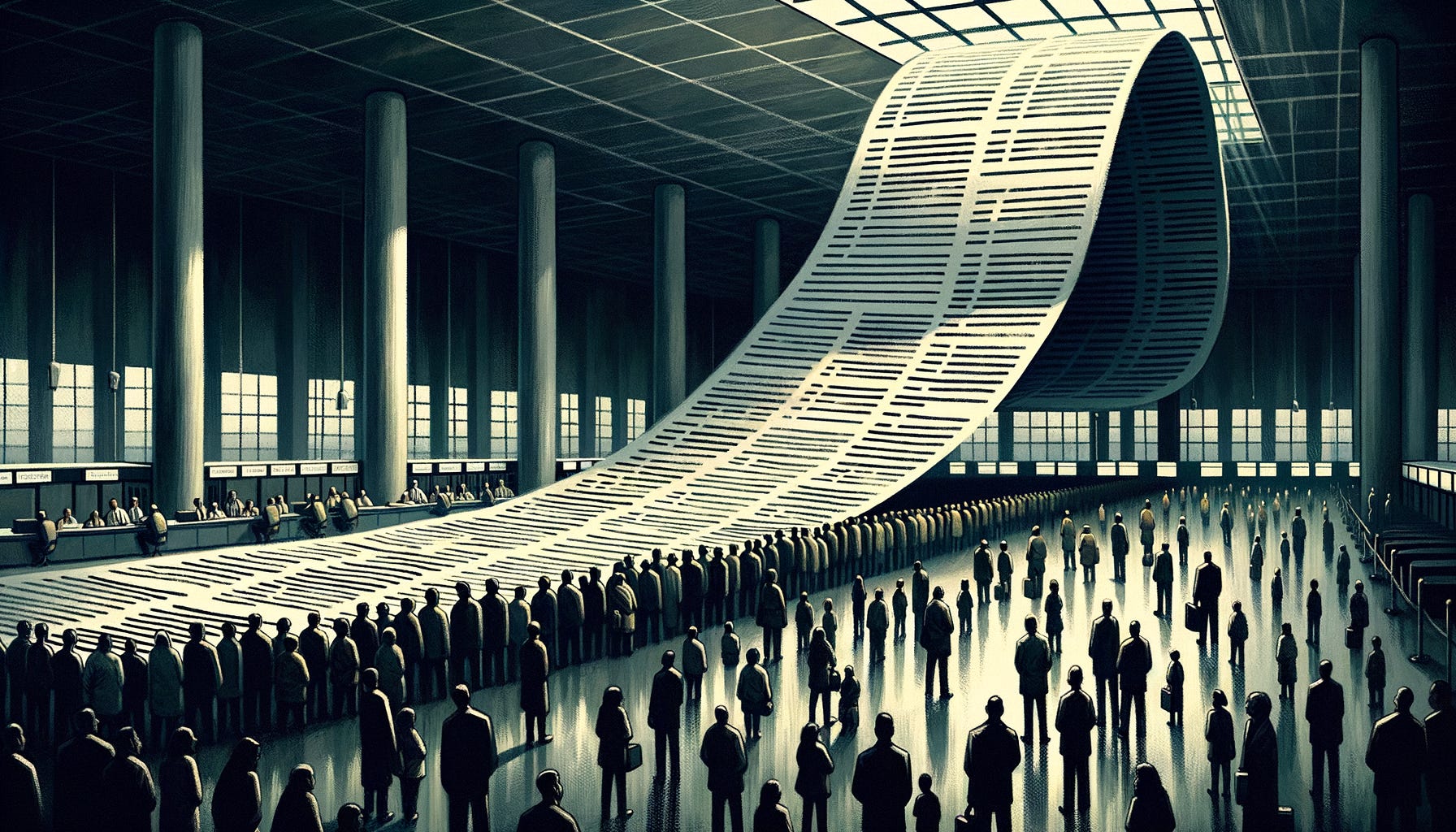
Beyond this, political instability has also led to flare-ups across multiple fronts. Spanish lawmaker López stated that Spain may reconsider its participation if Israel competes. Twelve Middle Eastern football associations have called for Israel’s national team to be banned, and Turkey’s Football Federation sent formal letters to FIFA demanding Israel’s exclusion from all sporting events.
A significant boycott of the 2026 World Cup would prove catastrophic for FIFA's legitimacy in ways that decades of corruption scandals never achieved, precisely because corruption scandals confirm cynical expectations about powerful institutions, whilst boycotts reveal something more fundamental: the erosion of the institution's core purpose. FIFA can survive members stealing money—the organisation has demonstrated this repeatedly. It cannot survive if members conclude that participation itself compromises their interests, because at that point, FIFA ceases to be football's governing body and becomes merely an organisation that once was.
Making an Impact
Major non-attendance will be financially crippling for the mayors and governors of host events. Individual U.S. host cities are projected to generate between $160 million and $620 million in incremental economic activity, with Los Angeles expecting 179,000 out-of-town visitors spending an average of $2,350 per person and Atlanta anticipating over $1 billion from its eight matches.
Each U.S. host city faces between $100 million and $200 million in costs for infrastructure, security, and logistics, whilst FIFA’s $11 billion tournament revenue stands in sharp contrast to the collective $250 million shortfall facing American host cities. Pre-event economic modelling consistently diverges from measured outcomes: Australia’s Sydney 2000 Olympics saw KPMG projections exceed $7 billion in benefits, whilst independent academic analysis identified a $3.7 billion reduction in real consumption over nine years, with foreign tourism growing more slowly than the national average. Oxford University’s longitudinal analysis found that every Olympic Games since 1960 has exceeded budget by an average of 172% in inflation-adjusted terms.
At risk is something arguably more important than financial pain: pride. Research on London 2012 found UK households collectively willing to pay £2 billion for intangible Olympic benefits, suggesting genuine public valuation even when conventional cost-benefit analyses show net losses. These same intangible benefits create conditions in which sport functions as political propaganda: governments selectively emphasise community pride metrics whilst dismissing fiscal analyses as methodologically incomplete, making it functionally impossible for citizens to distinguish between legitimate social investment and fiscal mismanagement legitimised by national sentiment.
The gap between what cities spend and what they recoup depends entirely on assumptions about visitor volume and spending patterns—assumptions that evaporate when major footballing nations decide attendance validates policies they oppose, leaving host cities holding bills for parties nobody attended.
Packering the Poops
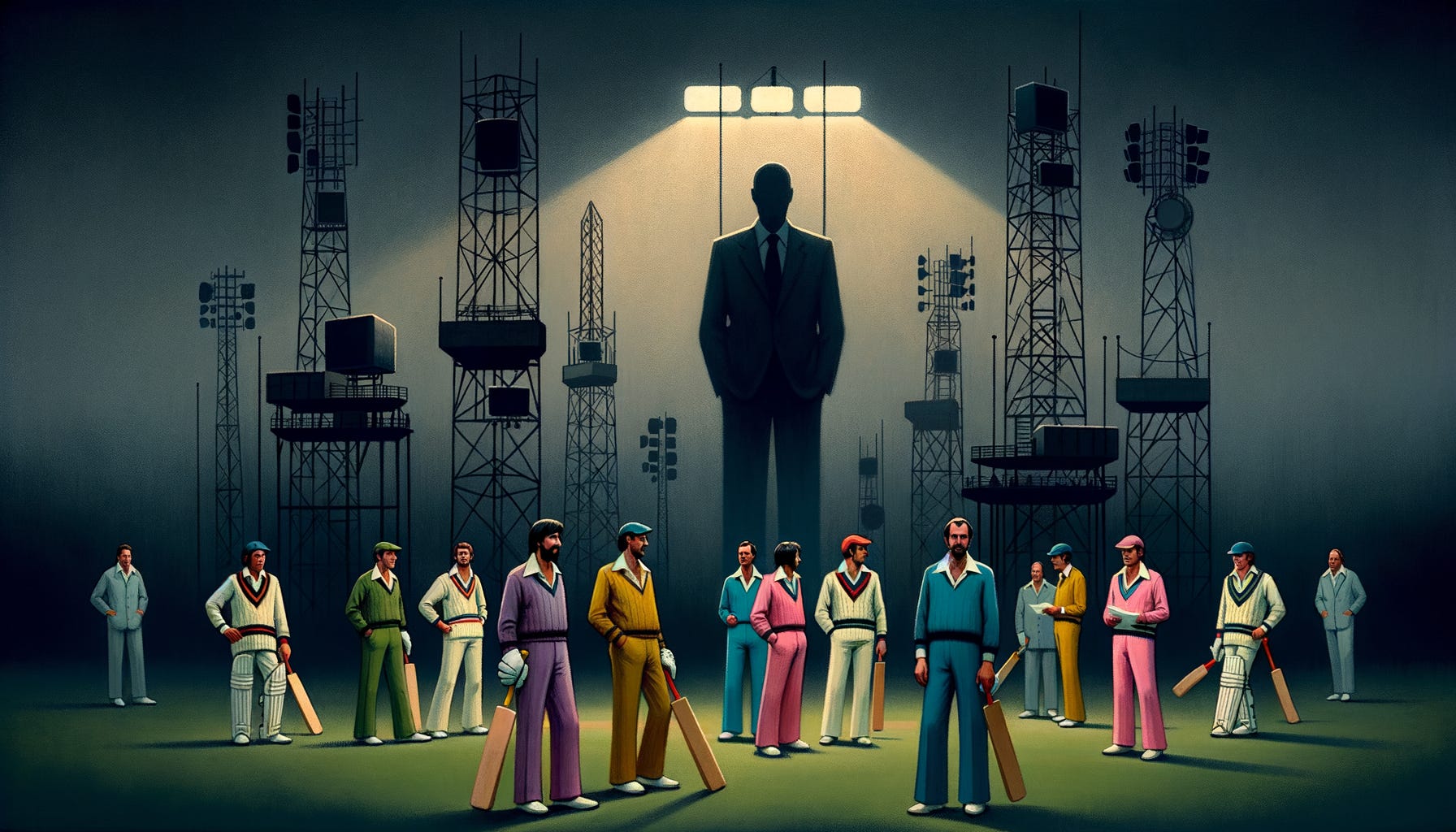
The precedent for replacing an entrenched sporting monopoly is well demonstrated when Australian media magnate Kerry Packer created World Series Cricket. Packer signed 51 of the world’s finest players to contracts worth significantly more than traditional cricket offered, introduced night cricket under floodlights with coloured clothing, and treated the sport as an entertainment spectacle rather than a genteel tradition.
The cricket establishment banned WSC players and declared existential war. But Packer controlled what mattered: substantial financial resources, television infrastructure, and crucially, the best players. By 1979, the Australian Cricket Board capitulated entirely, granting Channel Nine exclusive broadcasting rights whilst absorbing WSC innovations on Packer’s terms.
Decades later, cricket’s establishment weaponised these lessons with ruthless efficiency. When the renegade Indian Cricket League challenged the Board of Control for Cricket in India in 2007, the BCCI banned ICL players and then launched the Indian Premier League in 2008. The IPL absorbed everything successful about franchise cricket whilst maintaining establishment control, becoming the world’s sixth-largest sports league and ranking second globally in per-match value behind only the NFL. The ICL vanished entirely.
The New Colossal Risk
Give me your tired, your poor,
Your huddled masses yearning to breathe free,
The wretched refuse of your teeming shore.
Send these, the homeless, tempest-tost to me,
I lift my lamp beside the golden door!
- The New Colossus - Emma Lazarus
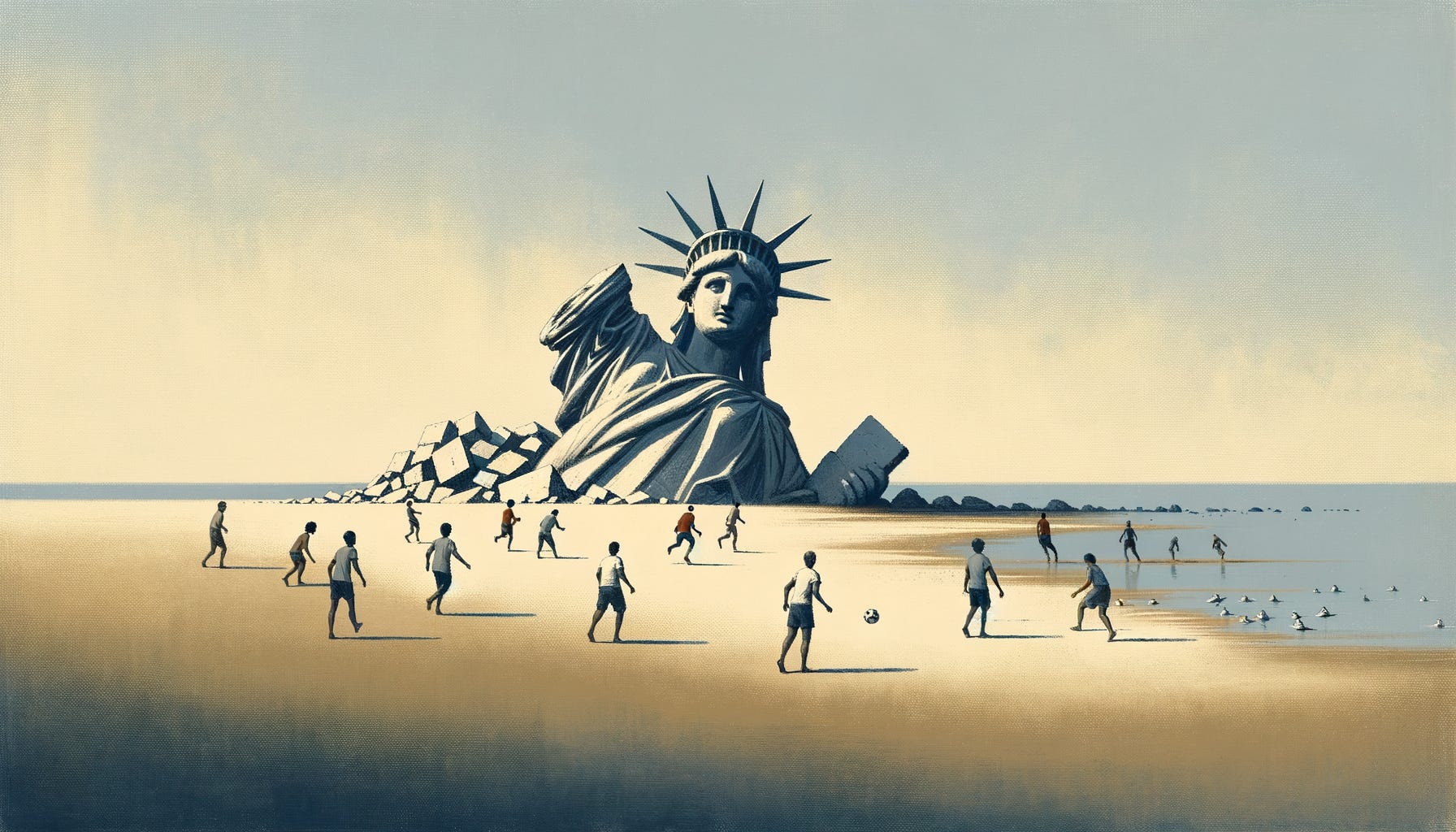
Give me your tired, your poor, wrote Emma Lazarus in 1883, crafting the mythology that would adorn the Statue of Liberty. In 2026, that same nation will demand five years of social media history from visitors seeking to watch football, whilst banning nineteen countries entirely. The mother of exiles has become Instagram's auditor.
Like the Concert of Europe or the League of Nations, FIFA faces replacement when powerful actors conclude it no longer serves their interests. Nations’ floating boycotts, travel bans that prevent global participation, and controversies such as the peace prizes are symptoms of institutional obsolescence.
Maradona’s Hand of God was rule-breaking that enhanced football’s mystique precisely because it served the game’s drama. FIFA’s peace prize to Trump serves only institutional power, a distinction that matters because football survives human controversy, but institutions cannot survive irrelevance.
The 2026 World Cup may proceed without major boycotts. Trump’s policies may moderate, Germany may participate, and FIFA may stumble forward. But the threshold has been crossed—major footballing powers are now openly calculating the value of absence. Once that calculation becomes normal rather than unthinkable, FIFA’s claim to permanence becomes another aspirational fiction awaiting replacement by those willing to build what comes next.
Aussie Rules remains (for me at least), the greatest game. But soccer will survive this. FIFA's permanence may not.


#WorldCup2026 #Worldcup #FIFA #Boycott #FIFAWorldCup